A professional website does not have one fixed price because a website is not one fixed product. A five-page credibility site, a conversion-focused service website, an ecommerce store, and a custom client portal may all be called websites, but they carry very different strategy, design, engineering, content, SEO, and maintenance requirements.
At Andybext, we prefer to discuss website cost through business outcomes. A website is not valuable because it exists. It is valuable when it helps a visitor understand the offer, trust the company, take action, and move toward a measurable business result.
Key Takeaway
In 2026, the cost of a professional website should be evaluated by scope and complexity, not by page count alone. The real question is what the website must do: generate leads, explain a premium service, sell products, support a campaign, integrate with operations, or become the foundation of a larger digital system.
Practical Website Cost Ranges in 2026
A simple business website with clear copy, responsive layouts, contact forms, basic SEO setup, and a polished brand presentation will usually cost much less than a custom platform with dashboards, payment flows, CRM integrations, gated content, multilingual content, booking workflows, analytics, and ongoing conversion optimization.
| Website type | Typical complexity | What changes the investment |
|---|---|---|
| Marketing website | Low to medium | Copywriting, design quality, number of page templates, SEO setup, conversion sections |
| Corporate website | Medium | Content structure, leadership pages, case studies, compliance, careers, multi-location information |
| Ecommerce website | Medium to high | Product catalog, payments, delivery logic, search, filters, product SEO, abandoned cart flows |
| SaaS or product website | High | Positioning, pricing pages, demo flows, documentation, onboarding, product screenshots, lead scoring |
| Custom web platform | Very high | Authentication, dashboards, roles, database design, APIs, reporting, DevOps, QA, security |
What Actually Drives Website Cost?
The biggest cost drivers are strategy, content depth, interface quality, technical architecture, integrations, and post-launch support. A cheap quote often removes the work clients cannot see: information architecture, conversion copy, performance optimization, technical SEO, accessibility, analytics events, image optimization, schema, testing, and maintainable code structure.
'A cheap website can become expensive when it forces a redesign, migration, SEO cleanup, or rebuild six months later.'
Design Cost vs Development Cost
Design cost covers user journeys, layout systems, typography, visual hierarchy, mobile behavior, trust signals, and conversion flow. Development cost covers responsive implementation, reusable components, CMS setup, integrations, performance, security, deployment, and browser testing. Both matter. Beautiful screens without reliable engineering create frustration. Clean code without persuasive design creates a technically correct page that does not sell.
CMS, WordPress, Headless, or Custom?
A CMS is useful when the business needs to publish content frequently. WordPress can be a smart choice for editorial sites, small business websites, and content-heavy marketing pages when maintained properly. A headless CMS can work better when speed, security, and flexible frontend control matter. A fully custom build makes sense when the website is connected to unique workflows, dashboards, portals, or product logic. We compare these options more deeply in Custom Website vs WordPress.
How This Shows Up in Real Projects
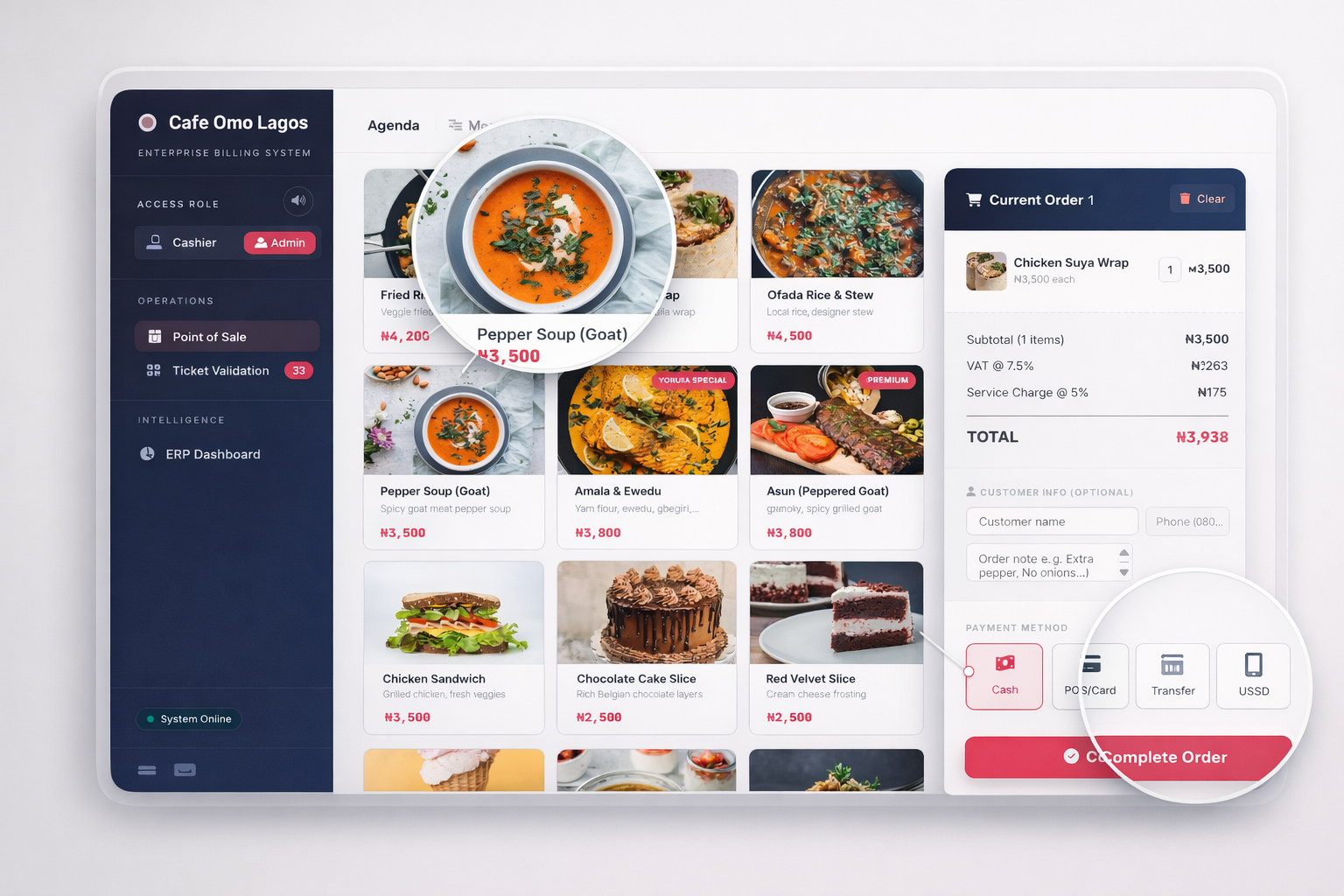
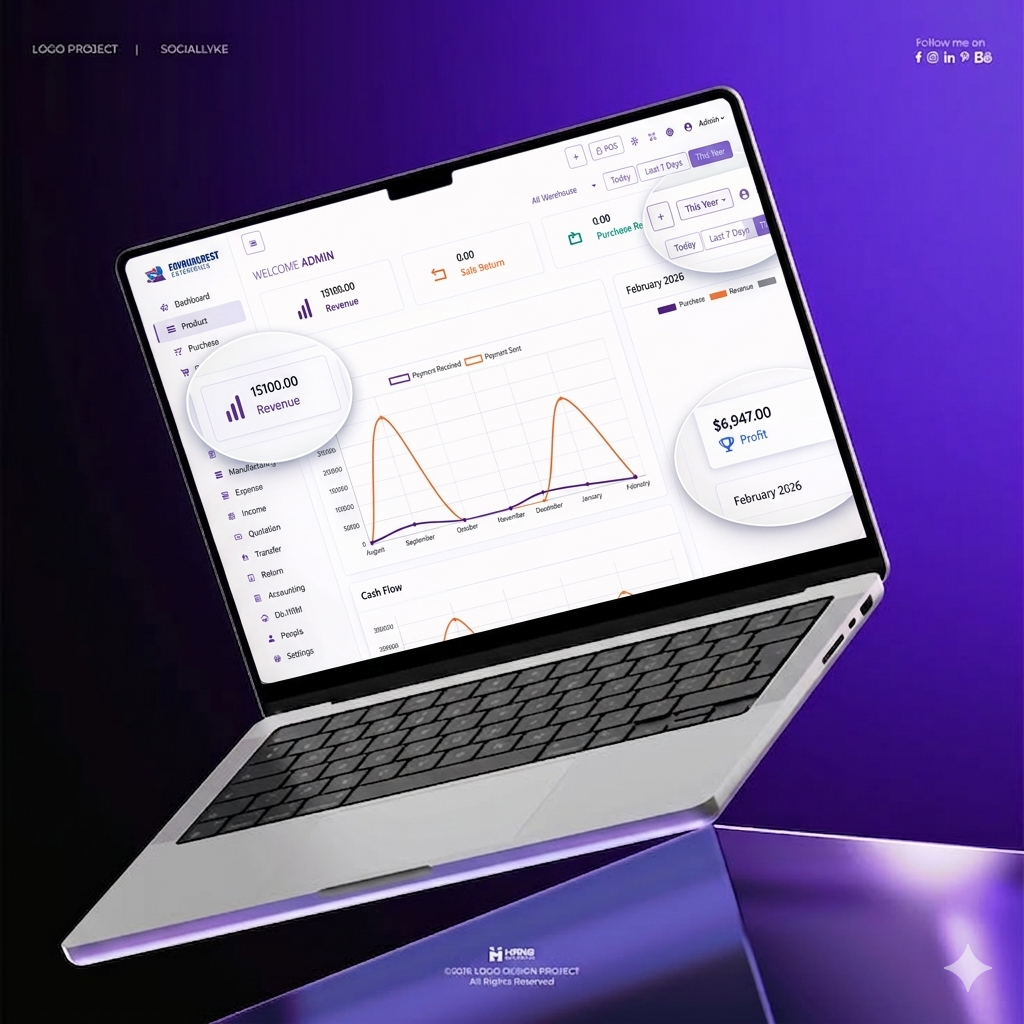
In portfolio work like FavourCrest ERP, LuxEstate Realty, Velocity Drive, and PeopleHub HRMS, the visible interface is only one layer. The cost depends on the decisions beneath the surface: what the visitor needs to understand, what the admin team needs to manage, what data must move between systems, and what level of trust the brand must communicate.
Realistic Website Timelines
A focused professional website may take four to eight weeks when content and approvals are ready. A larger corporate website, ecommerce platform, or custom portal can take eight to sixteen weeks or more. Slow timelines usually come from unclear content, shifting scope, late approvals, missing assets, or integrations that were not discussed during discovery.
Do Not Ignore Maintenance
Website cost does not end at launch. Maintenance can include backups, updates, security monitoring, speed checks, SEO improvements, content publishing, analytics review, conversion testing, and technical fixes. A professional website should be treated as a business asset, not a one-time decoration.
Common Pricing Mistakes
The first mistake is choosing only by the lowest quote. The second is paying for visual polish without strategy. The third is launching without analytics. The fourth is ignoring mobile conversion. The fifth is treating SEO as something to add later after the site structure has already been built poorly.
Website Cost Checklist
Before accepting a proposal, ask what is included: discovery, sitemap, copy guidance, custom design, responsive development, CMS training, page speed optimization, SEO metadata, schema, form testing, analytics, redirects, image optimization, security, launch support, and maintenance. If these are missing, the cheaper quote may not be cheaper in practice.
Next Step
If you are planning a serious website, start with the business goal and work backward into scope. Andybext can help you define the right website architecture through our web development service, review related case studies, or book a strategy call when you are ready to price the project properly.