The WordPress vs custom website question is usually framed badly. WordPress is not automatically cheap and custom is not automatically better. The right choice depends on what your business needs the website to do after launch.
At Andybext, we do not start with the platform. We start with the job: publish content, generate leads, sell products, explain a premium service, support campaigns, integrate with operations, or become part of a software product.
Key Takeaway
Choose WordPress when content management speed and familiar publishing workflows matter. Choose custom when performance, unique design, integrations, security, or product-like behavior matter more. Choose headless when you need strong content management plus frontend flexibility. Choose ecommerce platforms when commerce operations are the main job.
When WordPress Is the Right Choice
WordPress can be effective for blogs, company websites, knowledge centers, service pages, and content-led SEO campaigns. It works well when a team needs to update pages often, publish articles, manage categories, and avoid custom admin development.
The mistake is assuming WordPress means low effort. A strong WordPress build still needs information architecture, good hosting, careful plugin selection, custom templates, security hardening, performance optimization, schema, backups, and maintenance.
When a Custom Website Is Better
A custom website is better when the brand experience, performance requirements, data flow, or conversion journey cannot be handled cleanly with a theme-and-plugin approach. If the website needs custom calculators, dashboards, user accounts, CRM logic, product onboarding, complex forms, or deep animation control, custom development may be the cleaner long-term choice.
'The best website platform is the one that preserves the business strategy instead of forcing the business to fit the tool.'
When to Choose Headless
Headless architecture separates content management from the frontend experience. This can be powerful for companies that want editors to manage content while developers maintain a fast, secure, custom frontend. It is useful for high-performance websites, multi-channel content, product marketing, and teams that care about both publishing control and technical flexibility.
When to Choose an Ecommerce Platform
If the business primarily sells products, a dedicated ecommerce platform may be smarter than building everything from scratch. Shopify, WooCommerce, or custom commerce logic can each make sense depending on catalog size, payment needs, fulfillment, inventory, content strategy, and marketplace integrations.
The Andybext Decision Framework
| Business need | Best fit |
|---|---|
| Simple service website with frequent content updates | WordPress or lightweight CMS |
| Premium brand website with unique UX | Custom website |
| Fast content site with custom frontend | Headless CMS |
| Product catalog and checkout | Ecommerce platform |
| Accounts, dashboards, workflows, data logic | Custom software |
Hidden Costs to Compare
WordPress can become expensive through plugin bloat, maintenance, security cleanup, theme limitations, slow hosting, and repeated fixes. Custom websites can become expensive when scope is unclear, content arrives late, or the team builds features that should have been avoided. The right comparison is total cost of ownership, not launch cost alone.
How This Connects to Andybext Projects
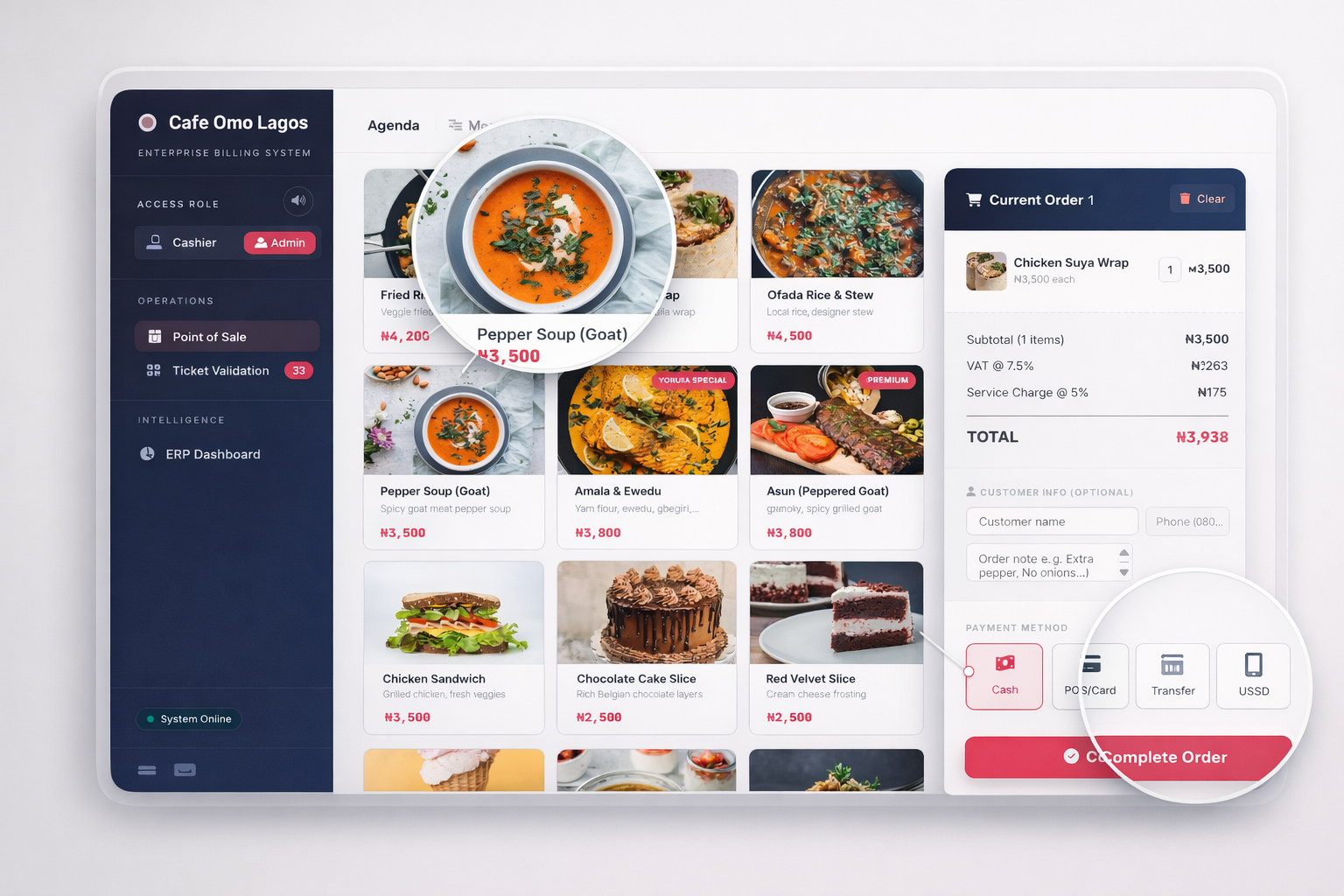
A conversion-focused site like ConvertX needs different decisions from an enterprise tool like PeopleHub HRMS or FavourCrest ERP. A luxury real estate website needs trust, speed, imagery, and lead capture. A custom dashboard needs permissions, data models, and workflow clarity. Calling all of these simply websites hides the real decision.
SEO Considerations
WordPress can rank well. Custom websites can rank well. Headless sites can rank well. SEO depends on crawlable structure, useful content, internal links, metadata, schema, speed, mobile experience, and topical authority. Platform alone does not create rankings.
What We Recommend
Use WordPress when publishing velocity matters and the site can remain structurally simple. Use custom when the brand, performance, or workflow is too important to compromise. Use headless when editorial control and custom frontend quality both matter. If you are unsure, start with a discovery session before choosing technology.
Next Step
Explore Andybext web development services, review our technology approach, or book a strategy call before committing to a platform that may shape your business for years.