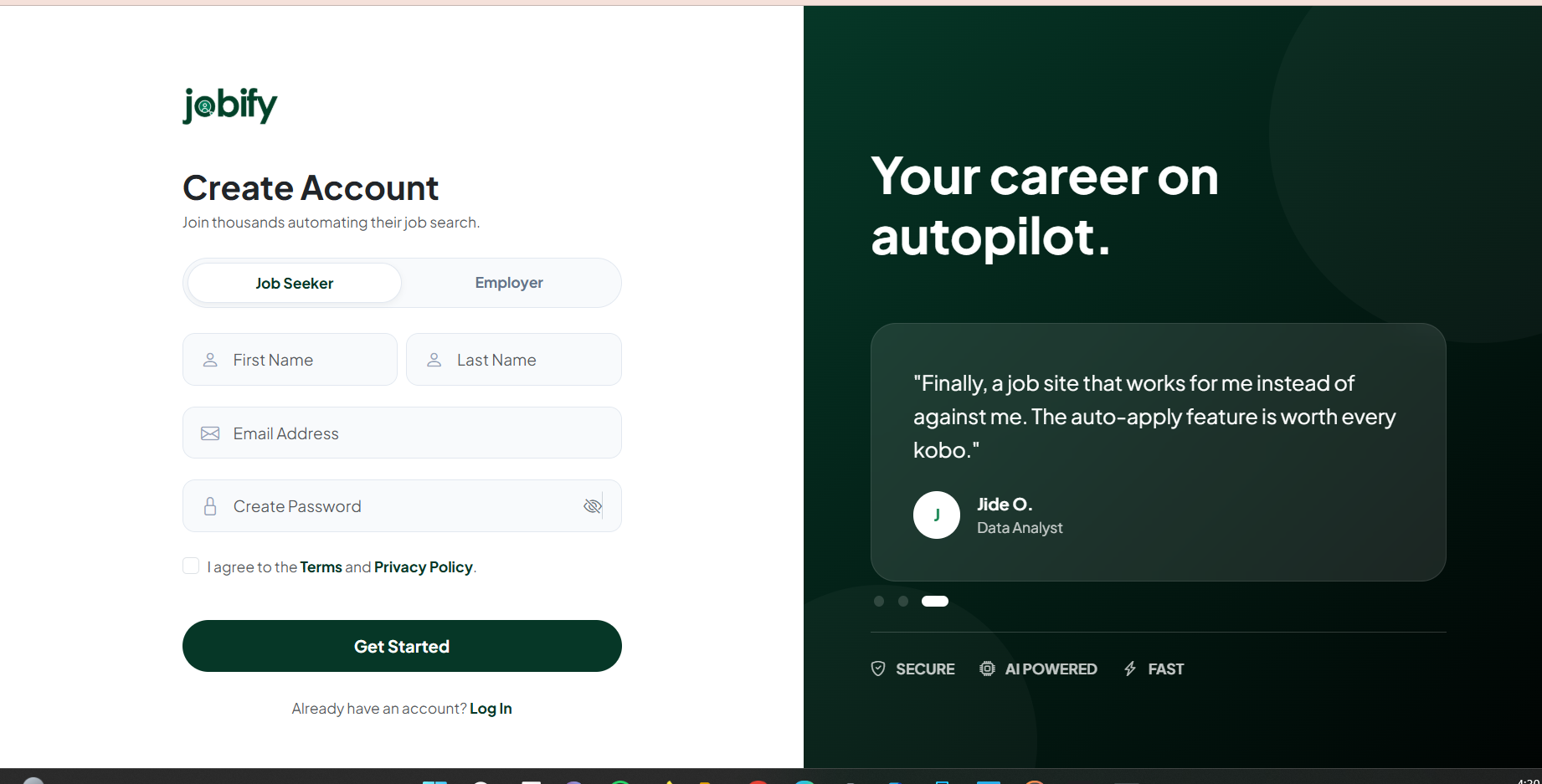
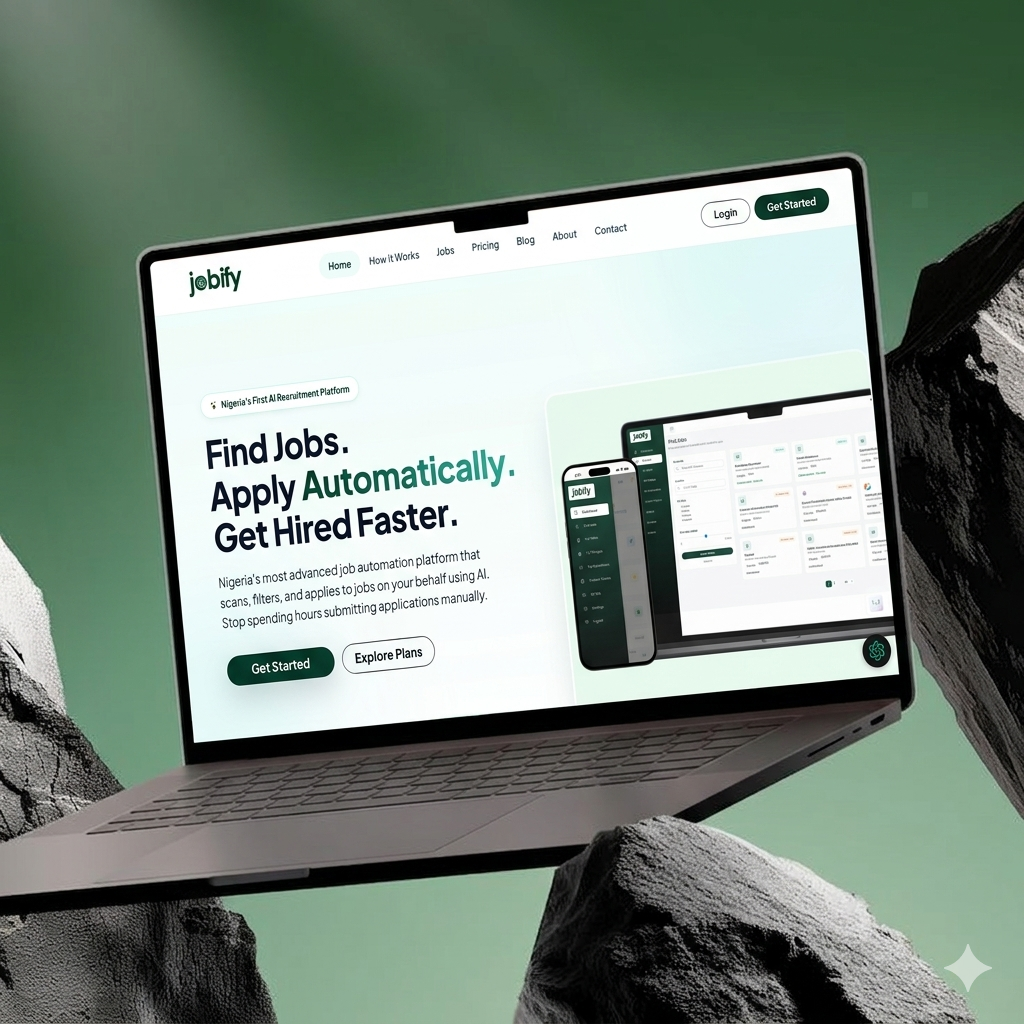
A SaaS product is not just a website with login. It is a living product system with users, onboarding, permissions, billing, support, data, workflows, analytics, infrastructure, and constant iteration.
That is why the cost to build a SaaS product in 2026 depends less on the number of screens and more on the product model behind those screens.
Key Takeaway
A SaaS MVP should be priced around the smallest complete version of the product that can deliver value, collect feedback, and prove demand. The goal is not to build every feature. The goal is to build the right first system.
The SaaS Cost Layers
| Layer | What it includes |
|---|---|
| Strategy | Audience, positioning, core use case, pricing model, launch plan |
| UX | Flows, dashboards, forms, empty states, onboarding, responsive behavior |
| Engineering | Frontend, backend, database, APIs, authentication, permissions |
| Revenue system | Plans, subscriptions, invoices, trials, payment gateways |
| Operations | Admin panel, support tools, analytics, monitoring, deployment |
What Should Be in a SaaS MVP?
A strong MVP includes the core user workflow, account creation, authentication, essential dashboard views, data creation and editing, admin controls, basic analytics, payment or demo flow where relevant, and a clear feedback loop. It should avoid nice-to-have features until usage proves they matter.
Why SaaS Costs More Than a Website
A website mostly presents information and captures action. A SaaS product must store data, protect accounts, process workflows, handle edge cases, recover from errors, support different roles, and improve over time.
'A SaaS MVP is successful when it proves the business workflow, not when it contains the longest feature list.'
Examples From Product Work
Projects like PeopleHub HRMS, AI Recruitment, and FavourCrest ERP show how product cost changes when workflows become more serious. HR systems need employee records, approvals, permissions, and reporting. Recruitment tools need candidate pipelines and automation. ERP systems need modules that reflect actual operations.
Billing and Subscription Complexity
Simple paid plans are easier than usage-based pricing, multi-currency billing, trials, discounts, enterprise contracts, invoice workflows, or payment failure recovery. Billing decisions should be made early because they affect data structure and user permissions.
Infrastructure and Security
A SaaS product needs hosting, database management, backups, monitoring, logging, access control, deployment workflows, and security practices. These costs protect the product after launch and should not be treated as optional extras.
Realistic Timeline
A focused SaaS MVP can take eight to sixteen weeks if scope is disciplined. More complex products may need phased releases over several months. The biggest schedule risk is unclear product strategy, not code speed.
Common Mistakes
Founders often overbuild, copy competitors, skip onboarding, ignore admin tooling, forget analytics, underprice infrastructure, or launch without a feedback plan. A lean SaaS build is not cheap thinking. It is disciplined thinking.
Next Step
If you are planning a SaaS product, start with product discovery and MVP definition. Explore Andybext SaaS development services, our product design service, or book a strategy call.